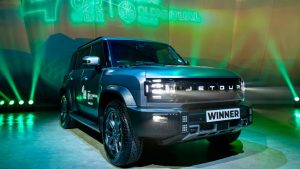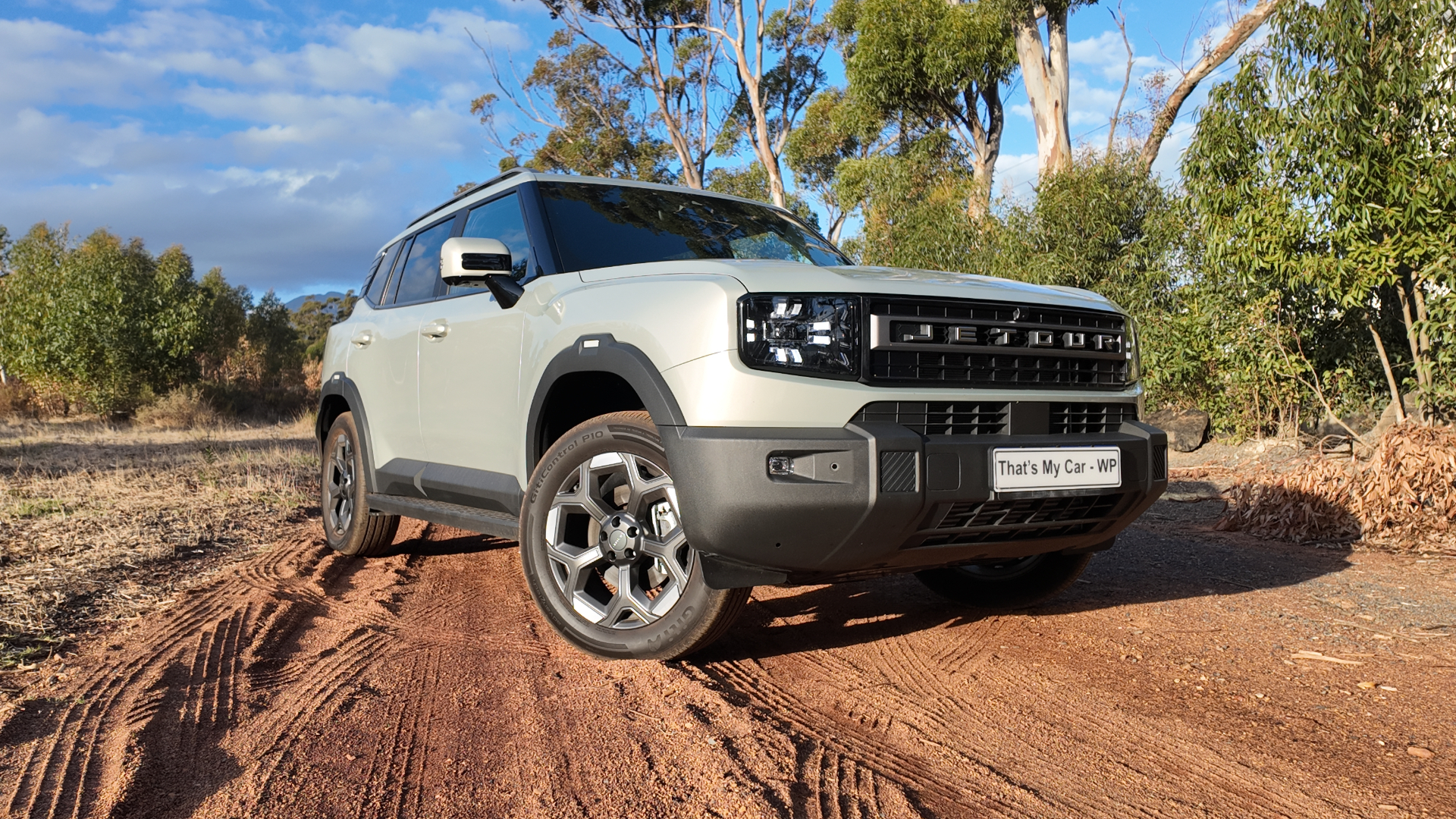
2026 Jetour T1
This Jetour T1 review arrives at a moment when the global budget 4×4 SUV segment has grown stale. Into this entrenched hierarchy arrives the 2026 Jetour T1 2.0T Odyssey XWD, and the disruption is not subtle. Priced at R634 900, it is not merely affordable; it is confrontational. For anyone running a Google search for the best 4×4 SUV under R700 000 or the best AWD SUV under R700 000, the Jetour T1 2026 price demands a serious second look.
Jetour, for the uninitiated, is a Chery subsidiary that has begun exporting aggressively into emerging markets. Scepticism toward Chinese newcomers is warranted and usually justified, yet the T1 Odyssey demands a recalibration of those instincts. This is not a front-wheel drive pretender with plastic cladding. The Odyssey XWD deploys a BorgWarner-developed intelligent four-wheel drive system with eight selectable drive modes, including dedicated settings for mud, sand, and snow.
Jetour T1 ground clearance is rated at 190 mm, and the approach and departure angles suggest genuine intent rather than mall-crawling posturing. For a market where proper 4×4 capability has become a luxury tax, that is genuinely refreshing. If you have been searching for a cheap 4×4 SUV with real 4WD, the Jetour T1 4×4 system answers that brief more honestly than most.
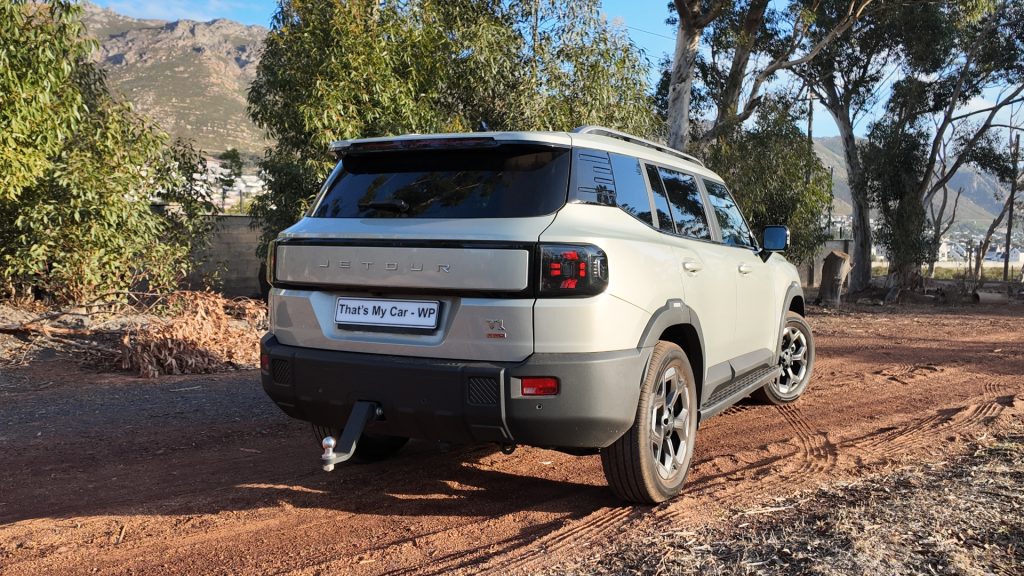
Jetour T1 Powertrain
The Jetour T1 specs reinforce the point. A 2.0-litre turbocharged four-cylinder delivers 180 kW and 375 N.m through a 7-speed dual-clutch transmission. Those outputs are muscular from low revs. The T1 is larger than its price suggests, too: Jetour T1 dimensions read 4 705 mm in length, 1 967 mm in width, and a 2 800 mm wheelbase that translates into proper rear-seat accommodation and a useful luggage bay. Jetour T1 boot space is competitive for the segment, and the cabin does not feel like a penalty box.
This is not a compact crossover masquerading as an adventure vehicle; it is a substantial SUV occupying the physical space of a Toyota Fortuner or Ford Everest, yet costing roughly half the entry price of either. In any Jetour T1 vs Toyota Fortuner or Jetour T1 vs Ford Everest comparison, the value asymmetry is stark.
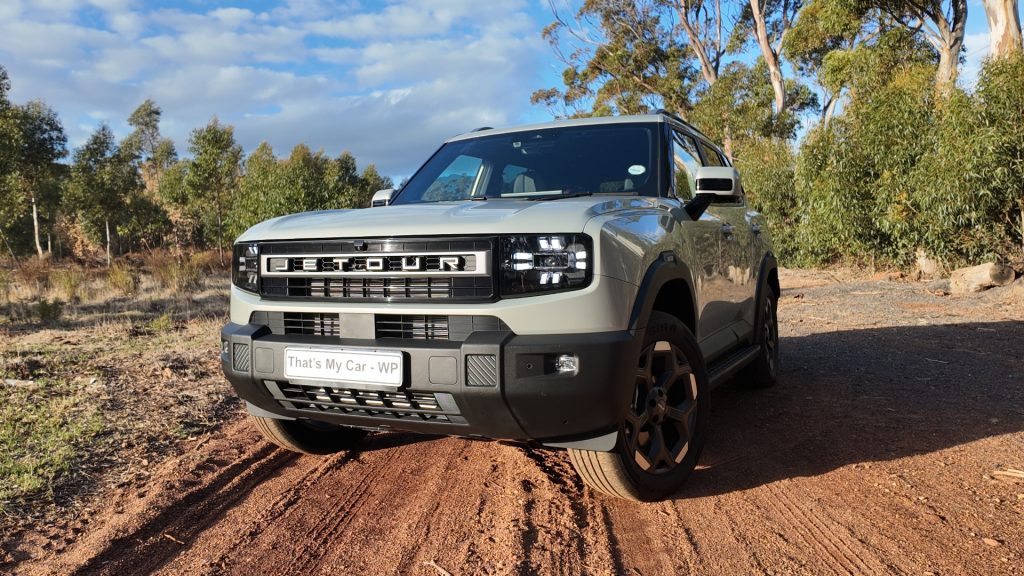
Jetour T1 Interior & Market Position
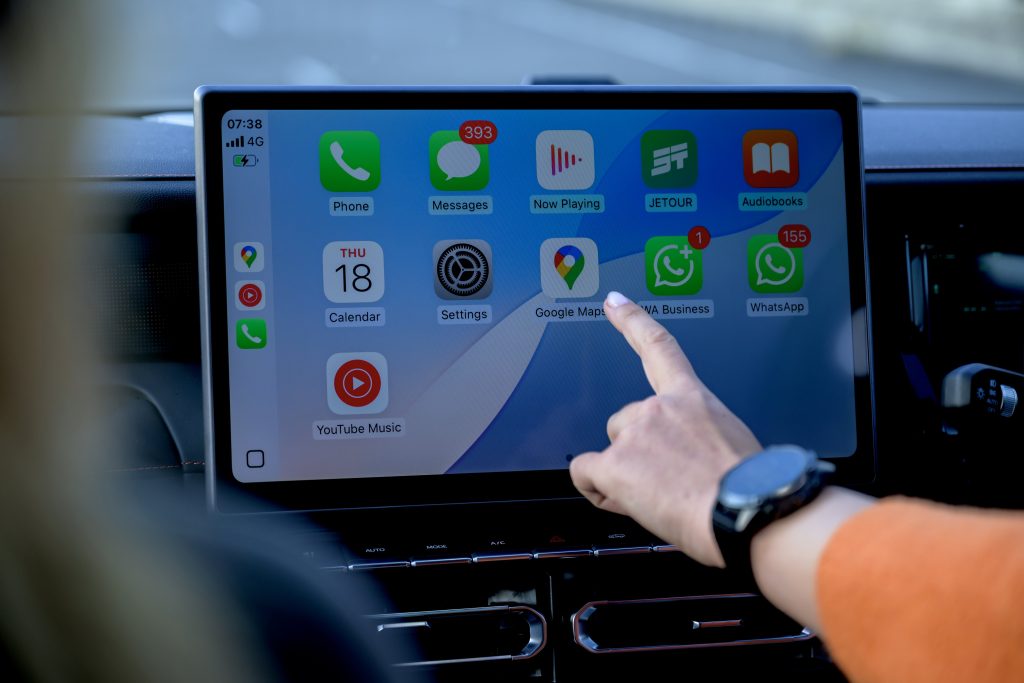
Inside, the Jetour T1 interior specification list reads like a checklist of segment expectations rather than budget compromises. A 540-degree panoramic camera system, wireless smartphone charging, electrically adjustable heated seats, and a comprehensive ADAS suite are standard. Material quality is surprisingly coherent, though the faux-leather and piano-black surfaces will date quickly. The 10.25-inch instrument cluster and central infotainment screen are responsive, if not class-leading in graphics rendering.
For shoppers cross-shopping in the Jetour T1 vs Hyundai Tucson or Jetour T1 vs Kia Sorento equations, the equipment list tilts decisively toward the Chinese challenger.
Where the T1 becomes more complicated is ownership confidence. The company offers a seven-year/200 000 km vehicle warranty and a ten-year/1 000 000 km engine warranty for the first owner, plus a seven-year/70 000 km service plan. On paper, that is superior to most established brands.
On the street, the dealer network is still expanding, and long-term Jetour T1 reliability remains an unknown quantity. The brand recognition factor is negligible; you will spend considerable time explaining what a Jetour is. Searches for Jetour T1 problems or Jetour T1 reliability will likely yield thin results for now, which is either reassuring or a red flag depending on your risk tolerance.
Is The T1 Worth Considering?
Jetour T1 fuel consumption is claimed at a combined figure that translates to roughly 8.5 L/100 km in real-world mixed driving, though Jetour T1 real world fuel economy data is still sparse. Jetour T1 towing capacity has not been widely publicised, but the torque-rich 2.0T suggests moderate trailer work is within scope. Is Jetour T1 a good car? Objectively, the hardware is convincing. Is Jetour T1 reliable? The warranty duration suggests corporate confidence, even if the track record is short.
Yet that obscurity is precisely what makes the T1 refreshing. The new 4×4 SUV 2026 market has calcified into predictable hierarchies where badge equity commands a premium that often outstrips the hardware beneath it. The Odyssey XWD dismantles that equation. It delivers all-wheel drive traction, turbocharged torque, genuine scale, and modern safety technology at a price point where rivals still offer front-wheel-drive derivatives with smaller engines.
In the broader Chinese SUV vs Japanese SUV debate, the T1 is the most credible artillery the Chinese camp has yet deployed.
Is it perfect? No. The dual-clutch transmission can hesitate in low-speed traffic, and the ride leans toward firmness over broken tarmac. But the T1 is not pretending to be a polished premium product. It is a value proposition wrapped in capable sheet metal, and for buyers who need a family 4×4 SUV without the traditional financial penalty, that is a genuinely novel proposition.
Whether you are researching the best Chinese SUV 2026, a new Jetour SUV 2026, or simply weighing whether the Jetour T1 is worth buying, the conclusion is the same: this is not an outright review, but it is a review nonetheless, and the verdict is that the T1 has earned its place in the conversation.