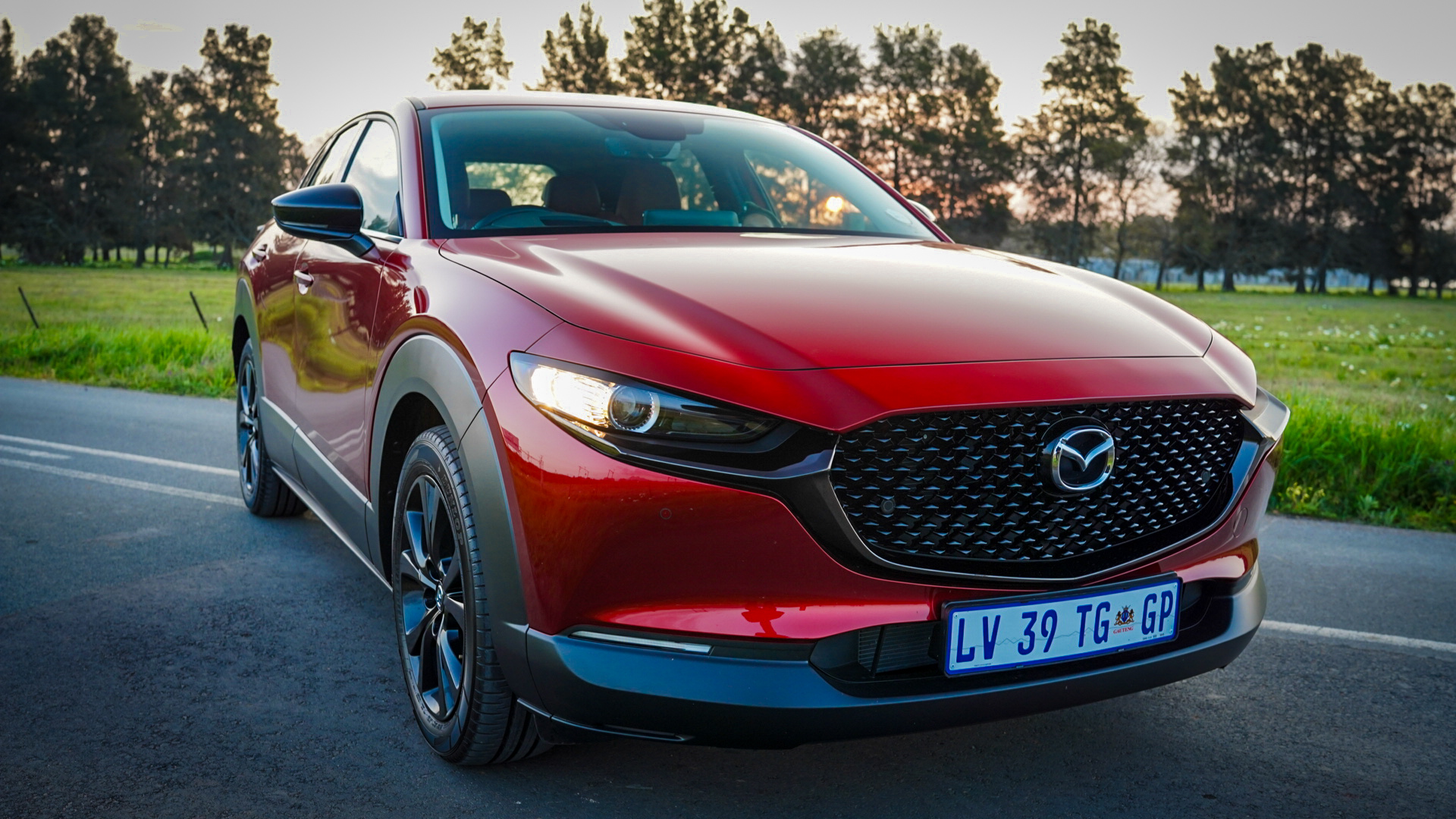
Image: Cayne Philander
The Mazda CX-30 may seem like a new face in Mazda’s line-up, but it’s quickly become a core model that offers a perfect blend of practicality and style. Launched globally in 2019, the CX-30 arrived as a mid-size crossover aimed at filling the gap between the compact CX-3 and the popular, larger CX-5.
It has since grown in popularity and emerged as a smart alternative for buyers seeking a balance between size, comfort, and Mazda’s signature driving dynamics.
The CX-30 debuted at the 2019 Geneva Motor Show, strategically positioned to cater to buyers seeking a middle ground in the SUV segment. Mazda recognized that while the CX-3 was practical for city driving, it was sometimes too compact for families or drivers with more cargo needs. The CX-5, on the other hand, could feel too large for those who didn’t need the additional space or weren’t keen on the idea of a larger, higher-priced SUV.
The solution? The CX-30, a model based on the same platform as the Mazda3 hatchback. It inherited Mazda’s latest Skyactiv technology, along with advanced safety features, making it a smart choice for those looking for a compact yet versatile vehicle. By drawing from the Mazda3’s underpinnings, Mazda created a crossover with a low centre of gravity and dynamic handling, which gave the CX-30 a sporty edge right from the start.
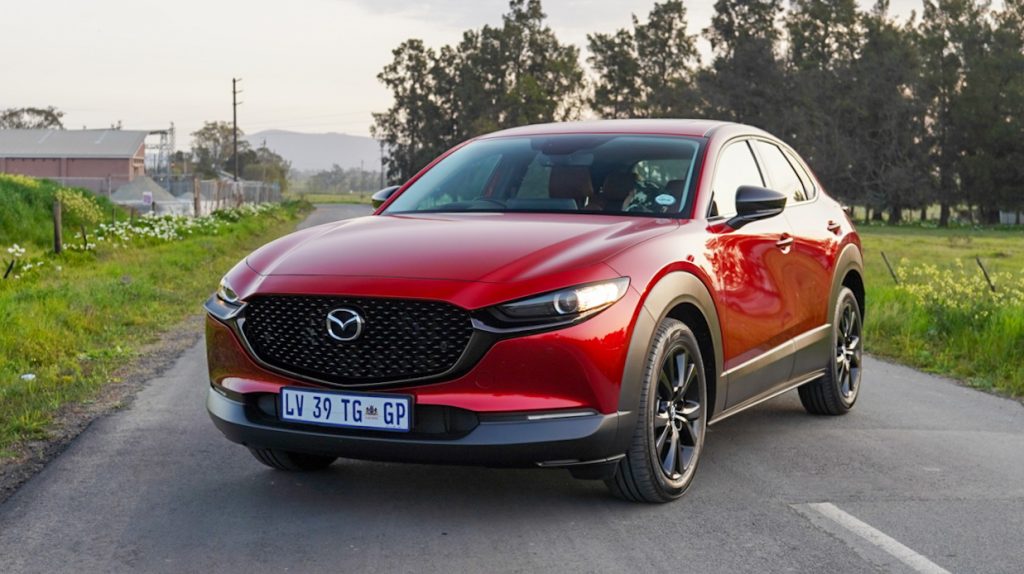
Powertrain and Platform
In South Africa the CX-30 is offered with Mazda’s Skyactiv 2.0-litre petrol engines that offers 121 kW and 213 Nm. Notably, it was one of the first models to offer Mazda’s revolutionary Skyactiv-X engine – a petrol engine with compression ignition technology. This engine, according to Mazda, combines the fuel efficiency of a diesel engine with the cleaner emissions of a petrol engine, offering a unique value proposition for the eco-conscious buyer.
Sharing the Mazda3’s platform, the CX-30 also borrowed its hatchback sibling’s handling prowess. The crossover’s responsive handling, stable ride, and agility were some of the traits that set it apart in a segment where SUVs often lack driving excitement. Additionally, Mazda included its G-Vectoring Control Plus (GVC Plus), an advanced feature that improves handling and cornering stability.
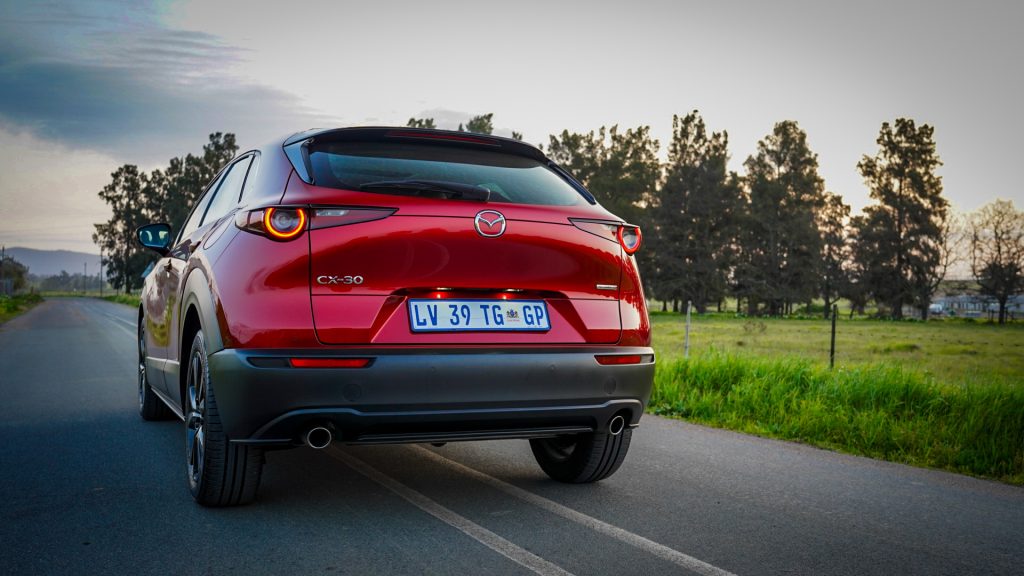
The CX-30 Today
Today, the Mazda CX-30 continues to evolve, adding new features, trims, and technology as it remains competitive in the ever-growing crossover market. In some markets, it’s now available with optional all-wheel drive and additional safety features, like adaptive cruise control, lane-keeping assist, and advanced braking systems, making it an appealing choice for tech-savvy drivers.
Mazda also continues to offer a range of engine options to suit different markets, from efficient petrol engines to Skyactiv-X, providing a model that meets both regulatory standards and consumer demands worldwide. The CX-30’s continued success has solidified its position in Mazda’s line-up, proving that it was the right choice for Mazda to fill that niche between the CX-3 and CX-5.
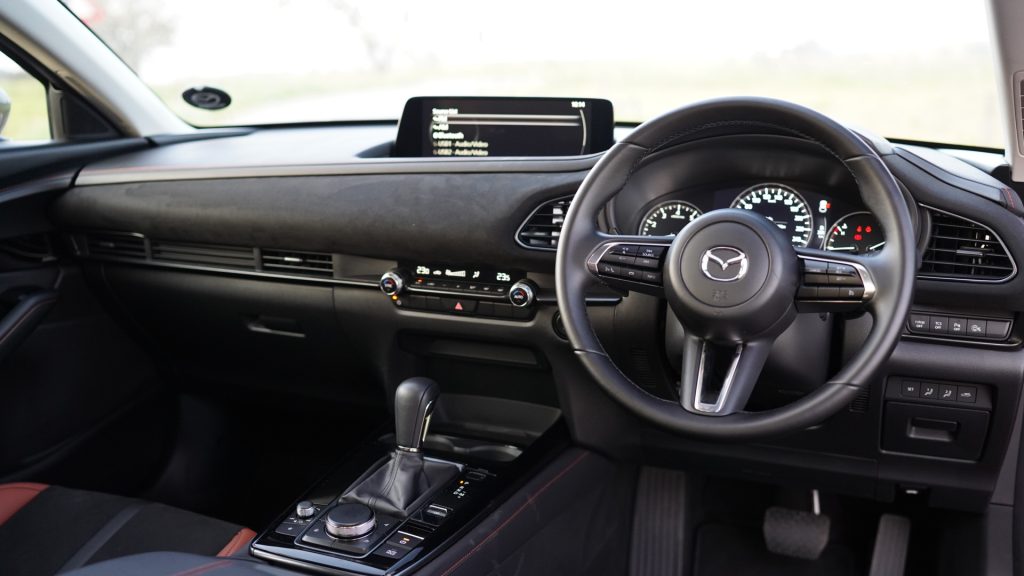
Quick Stats:
Price: R630 900
Engine: 2.0-litre, petrol
Power: 121 kW @ 6 000 r/min
Torque: 213 N.m @ 4 000 r/min
Gears/Drive: 6-speed auto, FWD
Economy: 6.6 L/100 km (claimed)
Top speed: 196 km/h
Service Plan: 5-years/unlimited km
Warranty: 5-years/unlimited km